Living Soil Benefits
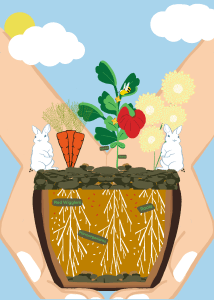
Living soil is a vibrant ecosystem teeming with microorganisms, fungi, insects, and worms, all working together to support plant growth. Let’s explain

Living soil offers a range of benefits for plant growth, soil health, and environmental sustainability. Some of the key benefits include, improved soil structure, nutrient-rich soil, enhanced water retention, increased soil microbial activity, reduced need for chemical inputs, carbon sequestration, improved plant health, resilience and support for biodiversity.
Overall, the benefits of living soil extend beyond plant growth to encompass soil health, environmental sustainability, and ecosystem resilience, making it a cornerstone of regenerative agriculture and sustainable land management practices.
Living soil is rich in organic matter, which enhances soil structure by promoting aggregation and the formation of stable soil aggregates. This improves soil aeration, water infiltration, and root penetration, leading to healthier plant growth.
The presence of beneficial microorganisms in living soil helps break down organic matter into nutrients that are readily available to plants. This natural nutrient cycling results in a fertile soil environment that supports vigorous plant growth and reduces the need for synthetic fertilizers.
Organic matter in living soil acts like a sponge, holding moisture and improving water retention in the soil. This reduces water runoff and erosion, while also ensuring plants have access to water during dry periods.
Living soil is teeming with beneficial bacteria, fungi, and other microorganisms that play essential roles in nutrient cycling, disease suppression, and soil structure improvement. These microbes help decompose organic matter, fix nitrogen, and protect plants from pathogens, contributing to overall soil health.
By promoting natural processes such as nutrient cycling and pest management, living soil reduces the reliance on synthetic fertilizers, pesticides, and herbicides. This not only saves money but also minimizes environmental pollution and reduces the risk of soil degradation.
Healthy living soil acts as a carbon sink, storing carbon from organic matter and atmospheric carbon dioxide in the soil. This helps mitigate climate change by reducing greenhouse gas emissions and improving soil fertility.
Plants grown in living soil tend to be healthier and more resilient to environmental stresses such as drought, disease, and pests. This is due to the balanced nutrient availability, beneficial microbial interactions, and enhanced root development facilitated by living soil.
Living soil provides habitat and food sources for a diverse range of soil organisms, from earthworms to beneficial insects. This biodiversity contributes to ecosystem resilience and supports healthy ecosystems above and below ground.
DIY learn how to make a worm bin built in minutes and on a budget.